

Greetings, friend!
This email is little more than a big, fat
🚨 N E W S F L A S H 🚨
Bookings for my Meet The Forest walks are now live SOLD OUT
I cannot believe this has happened AGAIN. The walks went live on Friday, I wrote this newsletter over the weekend and tickets sold out before I could press ‘send’.
I wanted you to be the first to know. I failed.
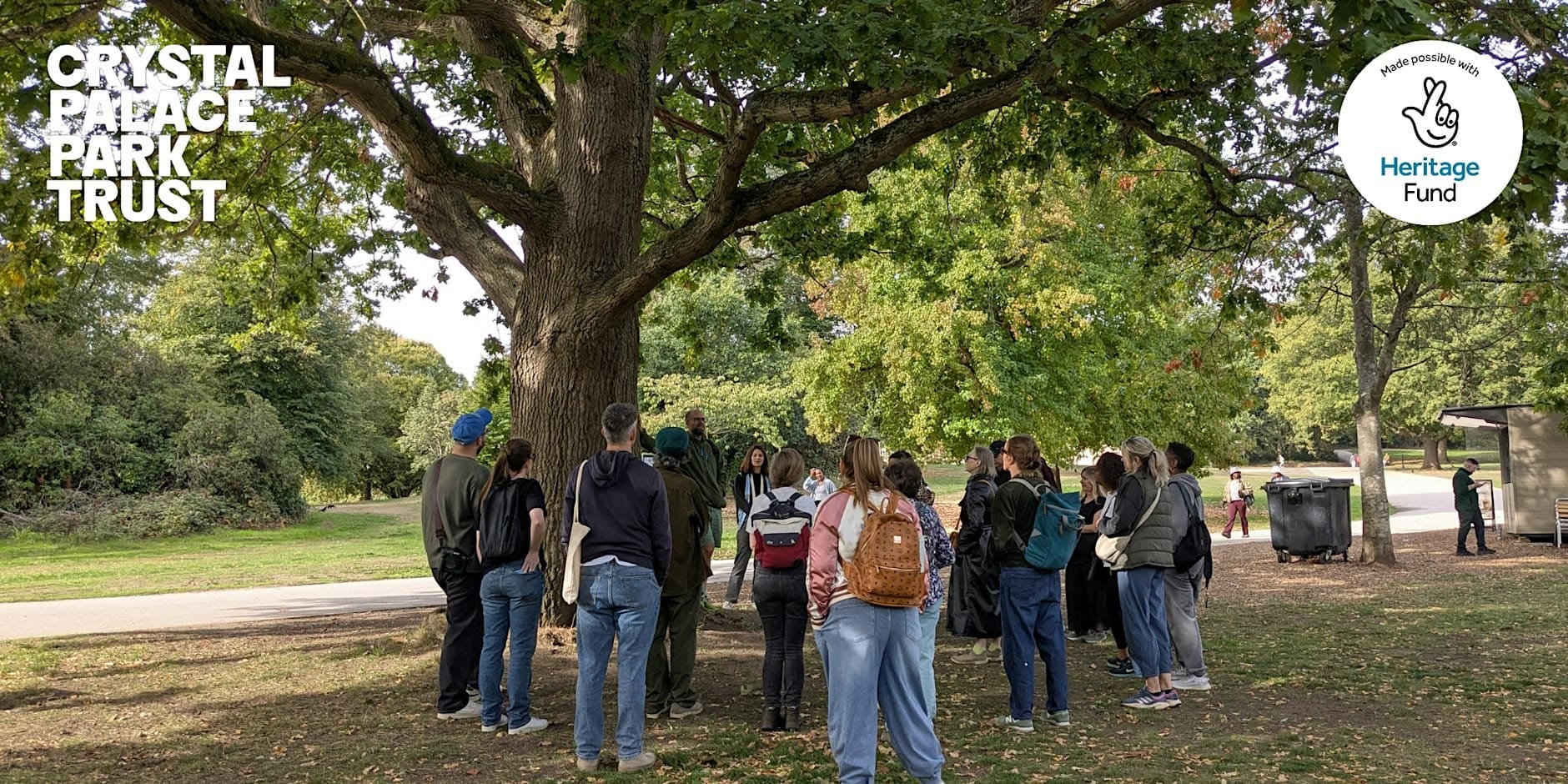
On my (apparently very popular walks), we meet trees that will heal you and trees that could kill you. We meet some of the planet’s oldest and largest species of tree, as well as cricket trees, kitchen trees, and one sacred to the Ancient Babylonians.
On the night walk, under a near-full moon, we might have another close encounter with our resident owl.
But thanks to your humble author’s painfully slow typing, you won’t be witnessing any of that.
As compensation, here is the written version of one of my all-time favourite nature connection practices, loved and validated by participants on my October walk.
Tree Strength, Your Strength
Find a tree that feels like yours. Ideally one with a bit of heft to it, one you could rough and tumble with if you had to.
Don’t get twisted up finding the perfect tree. Just one that catches your eye and winks back.
In October, we did this with a huddle of hornbeams. They’re wonderfully tactile trees: smooth grey trunks, with ridges running up them, like muscle under skin.
But you don’t need a hornbeam for this. You probably don’t even have to leave your street. A nearby roadside plane, neighbourhood beech, or that ageless oak outside the office: all good.
When you’ve found your tree, clap your hands around its trunk.
Close your eyes or just let your gaze go soft.
Now feel your way around the bark, up, down, all around. Notice the ridges, grooves, knobbles and smoothness. Notice the temperature. Is it colder than you expected? Damp? Is there moss or lichen?
Then rest both palms still on the bark, and take three slow breaths.
Hornbeam wood is among the hardest of any native British tree. It was hornbeam carved into cogs that turned the windmills and watermills of industry.
Hornbeam is so hard that, in the olden days, we called it ironwood.
Whatever tree you’re currently caressing, feel its inner strength. It might be older than you are. If it’s not, it’ll probably outlive you.
However old, give it a gentle shove.
This tree ain’t budging.
So here’s a question to carry: what does strength feel like in your body today? Not what it should feel like. What it does.
~
And breathe.
Lunchtime Sublime: 17-21 December ONLINE
In the run-up to the winter solstice, I’m trialling a remote-but-together festival of short nature practices.
Five days, 20 minutes a day, with your lunch.
The aim is simple: to get outside together in the middle of the day and feel a little awe and aliveness.
Thursday to Monday, finishing on the shortest day of the year. It only gets lighter from there.
What you get:
Five 20-minute Zoom calls at 1pm UK time, hosted by me, live from a garden, park or street (whatever the weather)
Practices that work wherever you are, whether that’s a park, a bench or an open window
A small community of like-minded treehuggers
It’s free for paying subscribers of this newsletter (a long-belated thank you!) and £9 for everyone else.
To reserve your place, reply to this email with the word SUBLIME. I’ll send you the joining details and how to pay.
If it works, I’ll run four more in 2027, one for each equinox and solstice.
Bring your sandwiches.
STOP PRESS: I DON’T BELIEVE IT
Moments after finishing this email (for the second time), I got news that Crystal Palace Park Trust have just released a few more tickets for my Meet The Forest walks on 21 November.
Who is David Charles?
I’m an outdoor instructor, Expeditions Manager at British Exploring Society, and Advanced Wilderness Therapeutic Guide (in training). Quite the career swerve considering I once wrote comedy for BBC Radio.
Since 2021, I’ve helped organise hiking and cycling adventures across more than a dozen countries for hundreds of adults and young people.
If you’re interested in leading for British Exploring Society, learn more about our diverse roles here — we recruit teachers, social workers, botanists, engineers, outdoor professionals and pretty much everyone in between.
If you’re 14-25 years old (or know someone who is), you can join British Exploring Society’s expeditions in the UK and overseas. We’re a charity, so everything is free to access.
Thank You
Subscriptions to this newsletter are currently paused, but nonetheless huge thanks to all the formerly-paying subscribers — your contributions mean a lot to me.
Thank you. 💚
Reminder: this newsletter is grounded not online, but in person, in the forest. I will always be happy for you to stop reading, put down your device and go outside for a moment with nature.
If you enjoyed this newsletter, then go ahead and tell me. It’s the only way I’ll know. You can tap the heart button, write a comment or share the newsletter with friends.
If you feel an overwhelming urge to send me money, you can make a one-off, choose-your-own-contribution via PayPal. That’d make my day.
As always, thank you for your eyeballs and thanks for your support.
diwyc,
dc:
ps: Don’t forget to reply with the word SUBLIME to reserve a place on my Winter Solstice Zoom Festival. It’s going to be tree-riffic.